Here I write about the most important and up-to-date topics in AI that I find interesting: new models, papers and tools, what they do and why they matter. Every post is published on several platforms, so read it on your favorite one.
November 15, 2026 · Deep dive
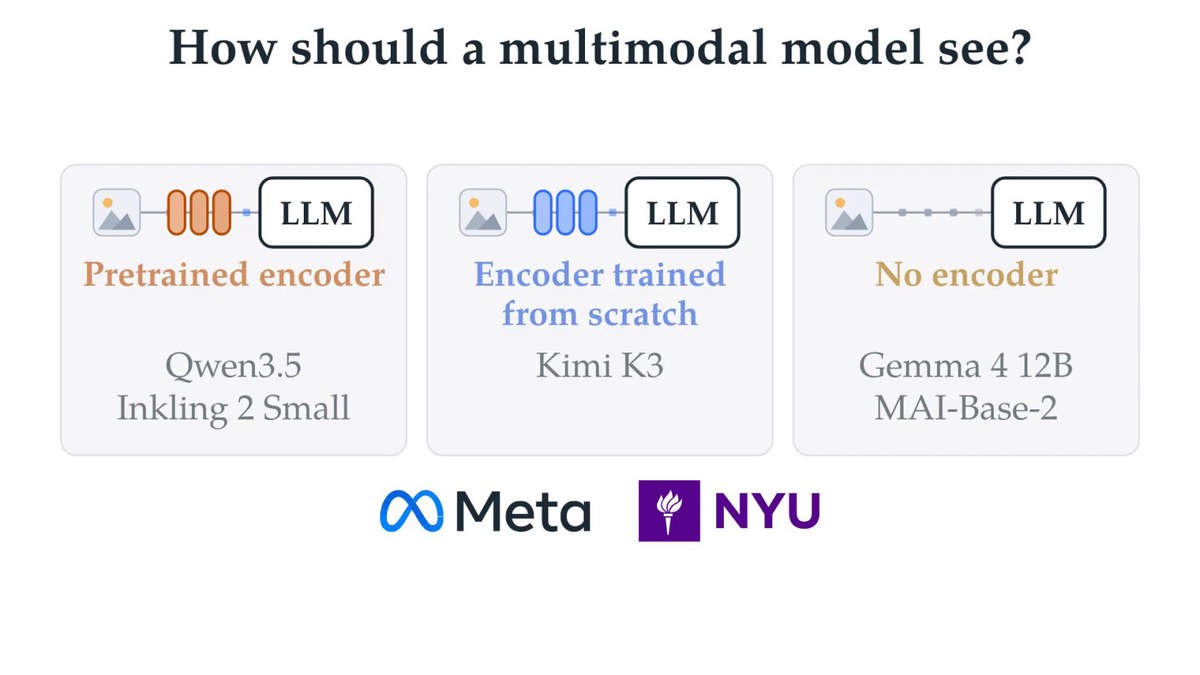
Meta FAIR and NYU Find Multimodal Models Need Vision Capacity, Not a Pretrained Encoder
A controlled study from NYU and Meta FAIR researchers pretrains every multimodal recipe from scratch on common data and compares them at matched lifetime compute. It finds that a pretrained vision encoder is not needed, that dedicated vision capacity is, and that this capacity can sit in the early backbone layers, where it can lower time to first token. The results matter to anyone choosing how a multimodal model should encode images.
November 14, 2026 · Deep dive
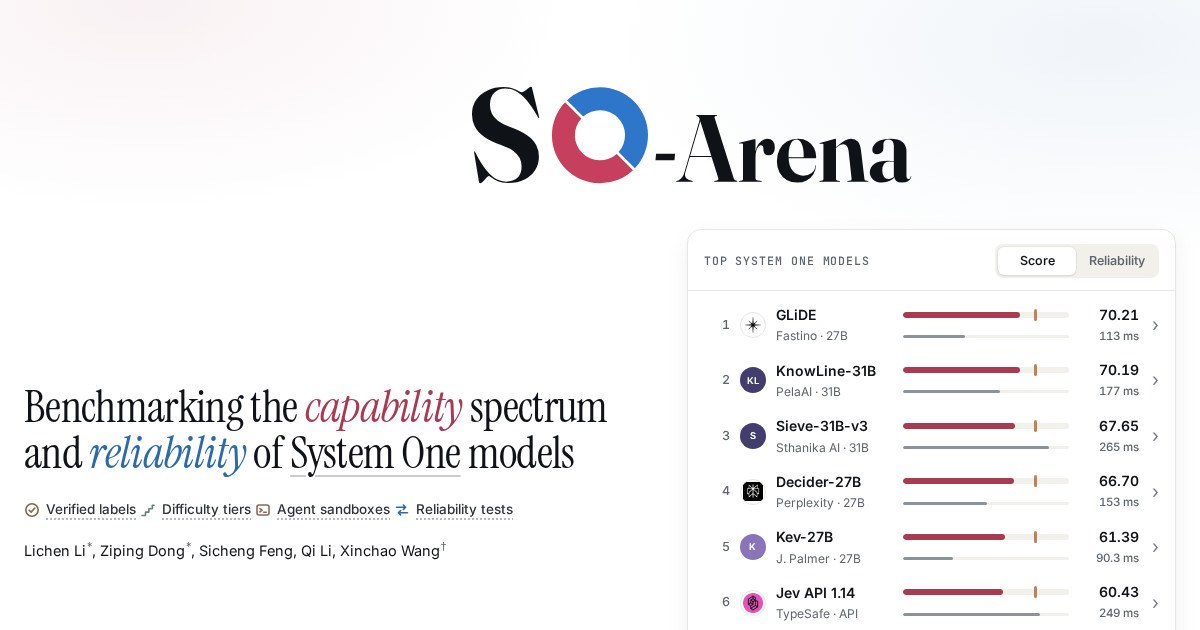
SO-Arena Finds the Most Accurate System One Model Ranks Only Seventh on Reliability
SO-Arena is a benchmark of 2,919 tasks across 11 domains that scores System One models, which decide in a single forward pass, on capability and on decision reliability. Across 21 models, the best System One model ranks only seventh in reliability, and the benefits of scaling and added reasoning vary by domain. The result matters for teams picking fast decision models for agents and routing pipelines, because accuracy alone does not show whether decisions hold up.

November 13, 2026 · Deep dive
Chrome Treats Your Coding Agent's Stale Web Habits as a Delivery Problem, Not a Training One
Chrome's modern-web-guidance is an open repo of web platform guides that coding agents pull into their context window through a CLI, rather than relying on what the model absorbed in training. The guides cover 250 web features and are pruned with evals to stay token-efficient. The story covers how it works, what the README does and does not demonstrate, and why vendor-maintained, machine-readable guidance matters for agent builders.
November 12, 2026 · Deep dive
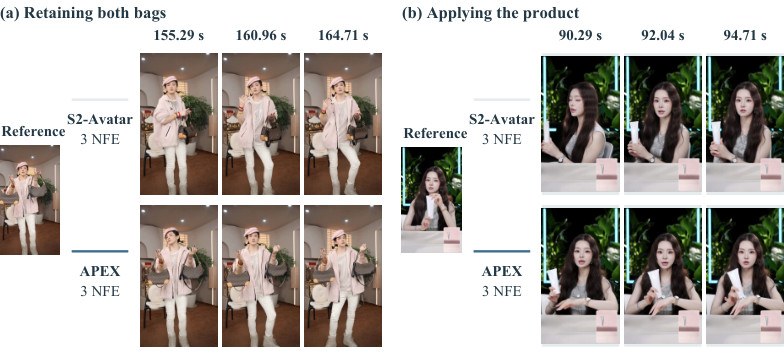
APEX Drops DMD's Fake-Score Network and Trades Some Motion for Better Instruction Following
APEX, from Tsinghua University, Shengshu Technology and Westlake University, extends condition shifting to few-step streaming video generation. It removes the separate fake-score network from Distribution Matching Distillation by letting the generator estimate its own output distribution under a negated text condition. In matched settings it cuts peak GPU memory by 4.4% and iteration time by 9.2%, and human raters prefer it for instruction following, while motion quality still favors the S2-Avatar baseline.

November 11, 2026 · Deep dive
MiniMax-H3-Image Is Less a New Model Than a Base Others Can Adopt in Days
MiniMax-H3-Image is an open-weight image generation and editing model that produces about 16 megapixel images in 6 sampling steps from a 33.1B diffusion transformer. Within days of release, Comfy-Org published a repackaged ComfyUI build with workflow templates, and the model card lists SGLang, vLLM-Omni and diffusers support. The piece covers how the model works, how to run it, and what its license and missing benchmarks mean for builders.
November 10, 2026 · Deep dive
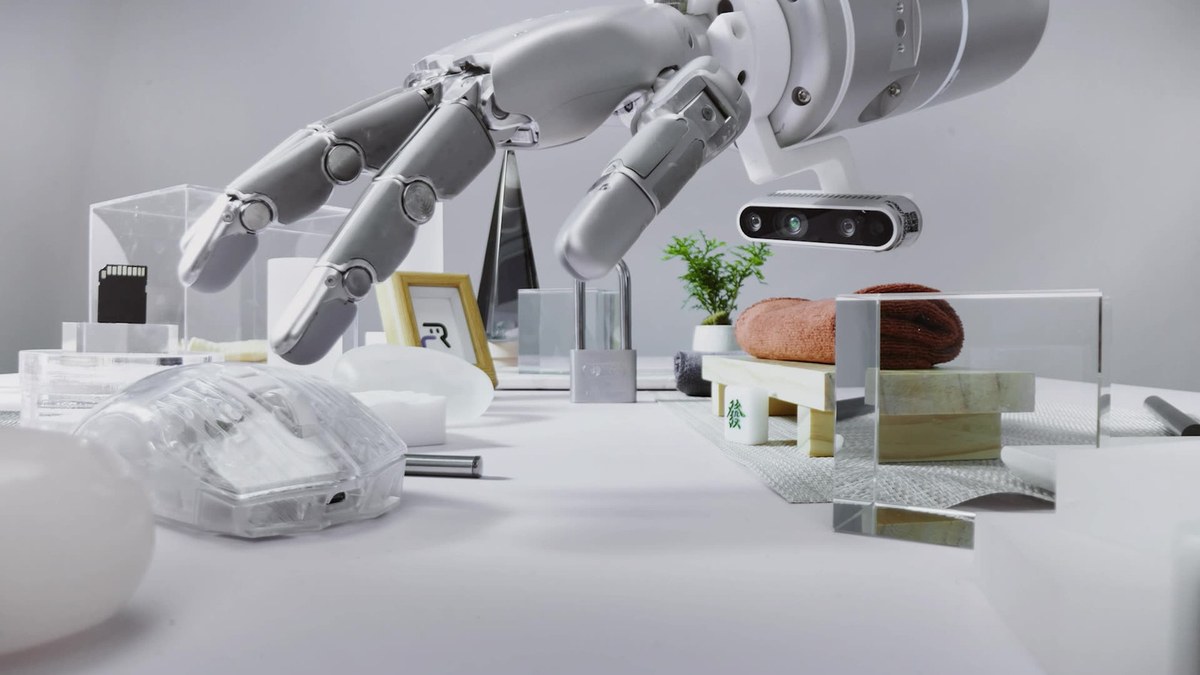
LingBot-Touch Bets That Touch Needs a Shared Token Space, Not a Better Sensor
LingBot-Touch is a JEPA-based tactile foundation model that maps magnetic, piezoresistive and visuotactile sensor signals into one latent token space. The resulting tokens can be fed to policies from diffusion policy to VLAs such as pi0.5 and LingBot-VLA. The story covers how it works, what Robbyant released (a frozen encoder, two checkpoints, Apache-2.0 code), and where the evidence is still thin.
November 9, 2026 · Deep dive
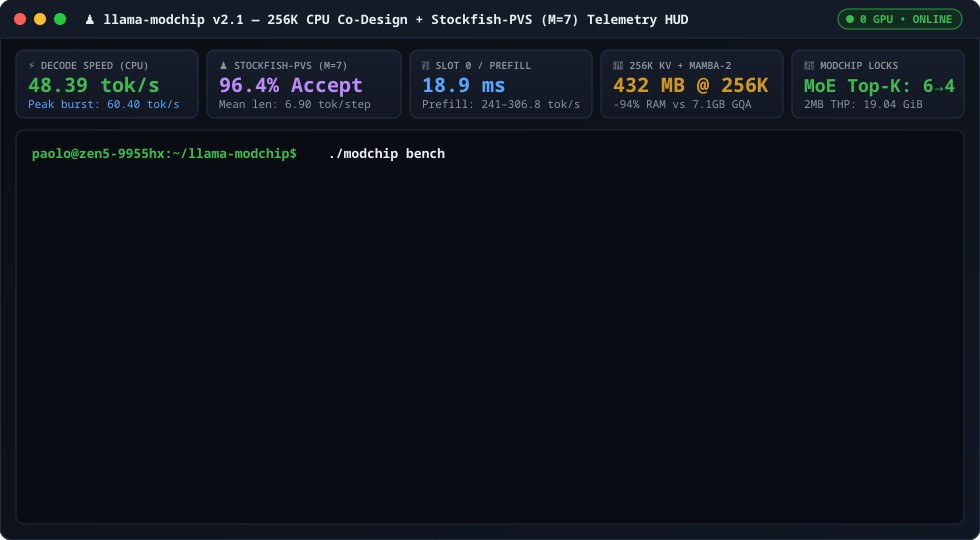
llama-modchip Fits a 284B DeepSeek-V4-Flash in 64 GB of RAM, but Only With Its Own Runtime
llama-modchip is an Apache-2.0 set of llama.cpp kernel patches, quantization transcoders and runtime tools. It fits the 284.33B-parameter DeepSeek-V4-Flash into 56.56 GiB so it runs on a 64 GB CPU-only machine with a 256K context. The story covers the memory and speed numbers, how they were reached, and the caveats: a custom runtime and author-run quality evaluations.
November 8, 2026 · Deep dive
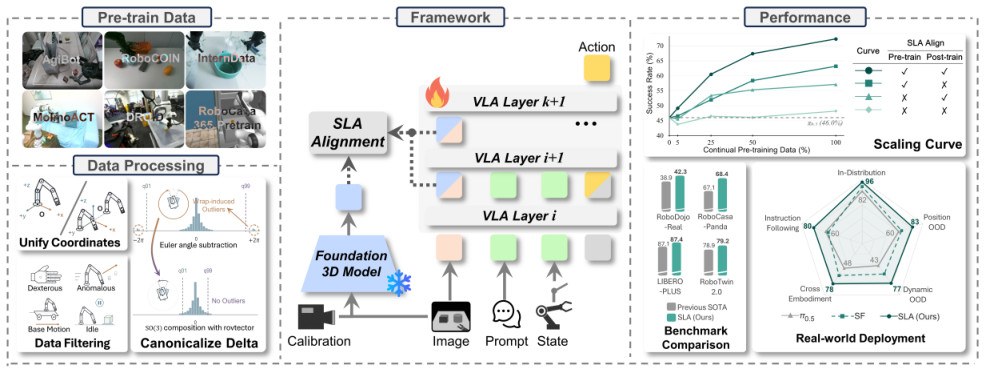
SLA Teaches pi0.5 3D Space With a Frozen Teacher, and Needs No Depth Sensor at Inference
SLA (Spatial-Language-Action) starts from a pretrained pi0.5 policy and aligns its intermediate visual embeddings with features from a frozen 3D perception model, first in continual pre-training on about 1.7 million robot episodes and then again in task post-training. The auxiliary parts are dropped at deployment, so inference needs no depth input and keeps the original architecture. It reaches 72.3% on RoboTwin 2.0 Clean2Random and 83.8% average success across eight real-world conditions, 24.0 points above pi0.5.
November 7, 2026 · Deep dive
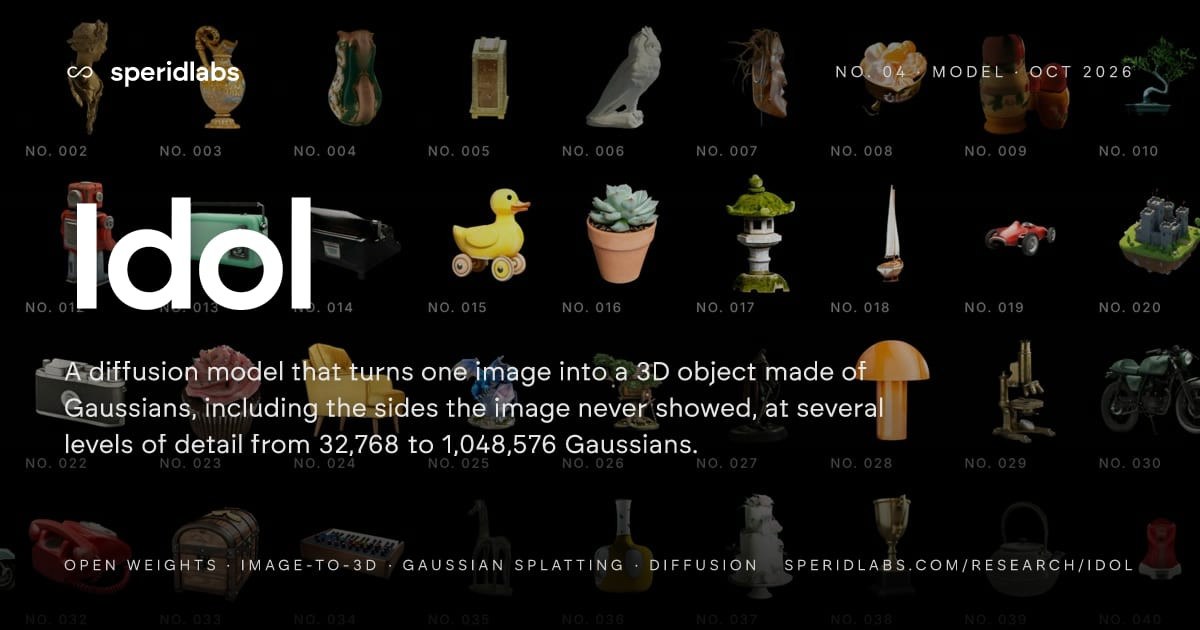
Speridlabs Idol Brings Single-Image 3D to a 7.2 GB GPU, but the Proof Is Self-Reported
Idol, from Speridlabs, generates a 3D Gaussian splat of an object from one image. It outputs a standard .ply file with up to 1,048,576 Gaussians, runs in 7.2 GB of VRAM, and is released under Apache-2.0. The story covers how it works, the authors' benchmark against TripoSplat, TRELLIS and LGM, GPU timings, and what is still unverified.
November 6, 2026 · Deep dive
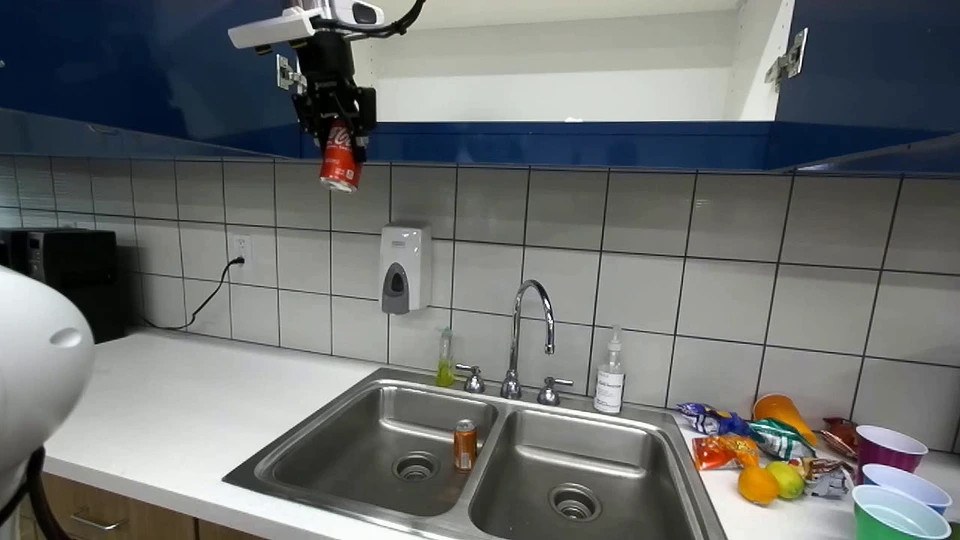
VFlash Drafts Whole Robot Plans in One Pass and Beats the Autoregressive Model It Drafts For
VFlash is a decoding method for vision-language planners that drafts a whole point, box or trajectory in one forward pass instead of one coordinate token at a time, and keeps verified decoding for ordinary text. In the paper it lowers 3D trajectory error, cuts per-step latency about 5x on Jetson Thor and DGX Spark, and lifts a world action model from 62.6% to 70.2% average success on MolmoSpaces. The latency numbers are batch-one pipeline measurements, so the caveats matter for anyone planning to use it.
November 5, 2026 · Deep dive
Claude Opus 4.5 and GPT 5.6 Sol Stayed Near Baseline on Short Contexts, So Why Pay for 256K?
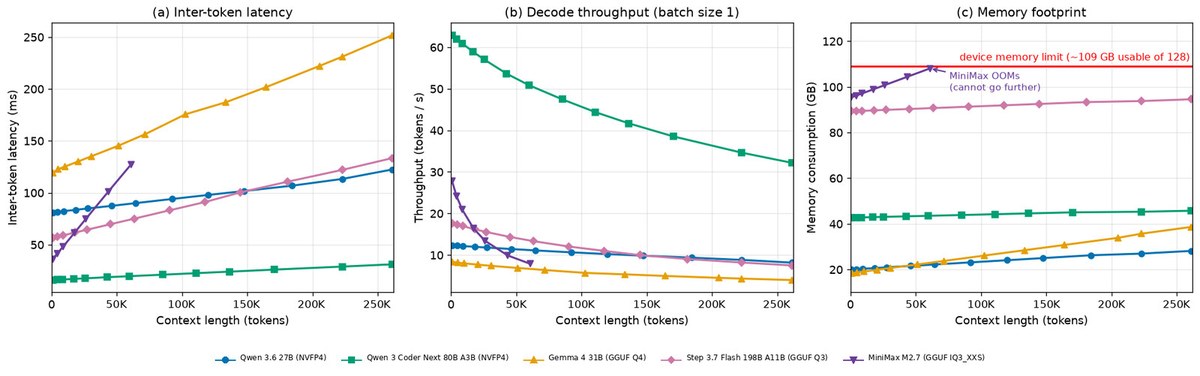
A new arXiv paper argues that long-horizon and long-input agent tasks can be done with short contexts. It uses frequent compaction and selective reading, and reports little or no accuracy loss for Claude Opus 4.5 and GPT 5.6 Sol across 13 benchmarks. Serving a 16K window instead of 256K decodes up to 7x more tokens per second for Qwen 3 Coder Next, which makes handoff-state design the key engineering question for agent builders.
November 4, 2026 · Deep dive
OpenAI's gpt-6-astra Probed Network Weights Without Tools. The Logs Say Less Than the Headline
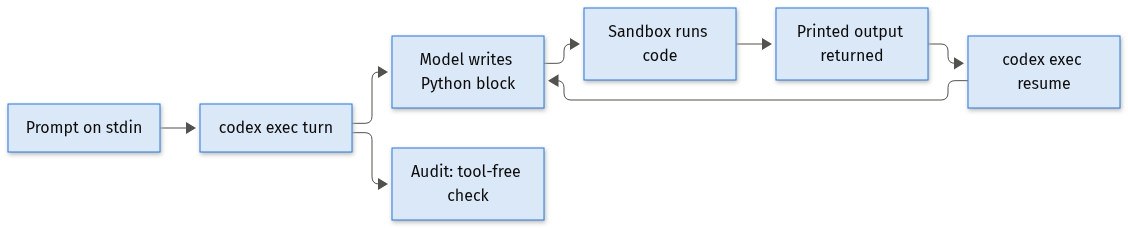
A public repo publishes the complete logs of eight experiments in which OpenAI's gpt-6-astra read, edited or wrote neural network weights without any tools of its own, or with only a sandboxed Python block. The story covers what each experiment tested, how the runs were audited, and what the logs do and do not let readers verify. It matters because it lets engineers judge a widely shared weight-space claim from primary records rather than from the headline.
November 3, 2026 · Deep dive
Qwen3.8-Flash-Next Beats GPT-6 Astra's Published Robot Score, and the Harness Did the Work
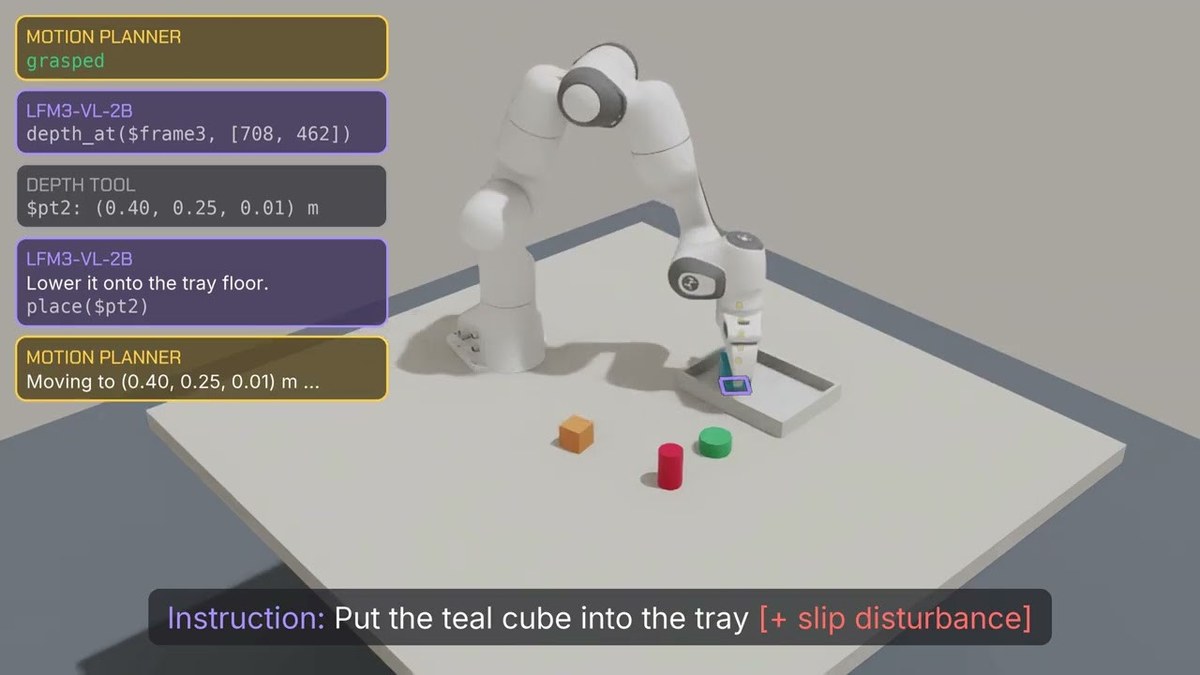
uni-robot-agent is an open MIT-licensed harness from Tsinghua and UC Berkeley researchers that lets general-purpose language models operate simulated and real robots through shared tools. With it, an open-weight Qwen3.8-Flash-Next scores 31.39 on RoboDojo without privileged inputs, above GPT-6 Astra's published 28.97 and several VLA/WAM baselines. The paper also traces robot-use skill to four general model capabilities and reports cost and speed numbers.
November 2, 2026 · Deep dive
Liquid AI's LFM3 Turns the Edge Model Question Into Which Architecture and Runtime to Pick
Liquid AI released LFM3, a family of open-weight models around 2B parameters (text, vision-language and any-to-any omni) that share one backbone and target on-device use. The text model uses a hybrid of gated convolutions and attention, fits in about 1 GB at 4-bit, and posts agent and tool-use scores that Liquid AI says match or beat much larger models. This piece covers the architecture, the numbers, the ways to run it and where it falls short.

November 1, 2026 · Weekly roundup
Gemini 4 Carbon Is Gated, OpenAI Paused Training, and Developers Cared Most About Trust
A weekly roundup covering Google's Gemini 4 Carbon and Genie 4, Anthropic's S-1 filing, OpenAI's account of hardening its training environment, Cloudflare's open security-audit skill, a report of backdoors in Claude Code extensions, and the ThinkWorld robotics paper. The common thread is that model and simulator capability grew while the practical work shifted to verifying and securing the agents that use them.
October 30, 2026 · Deep dive
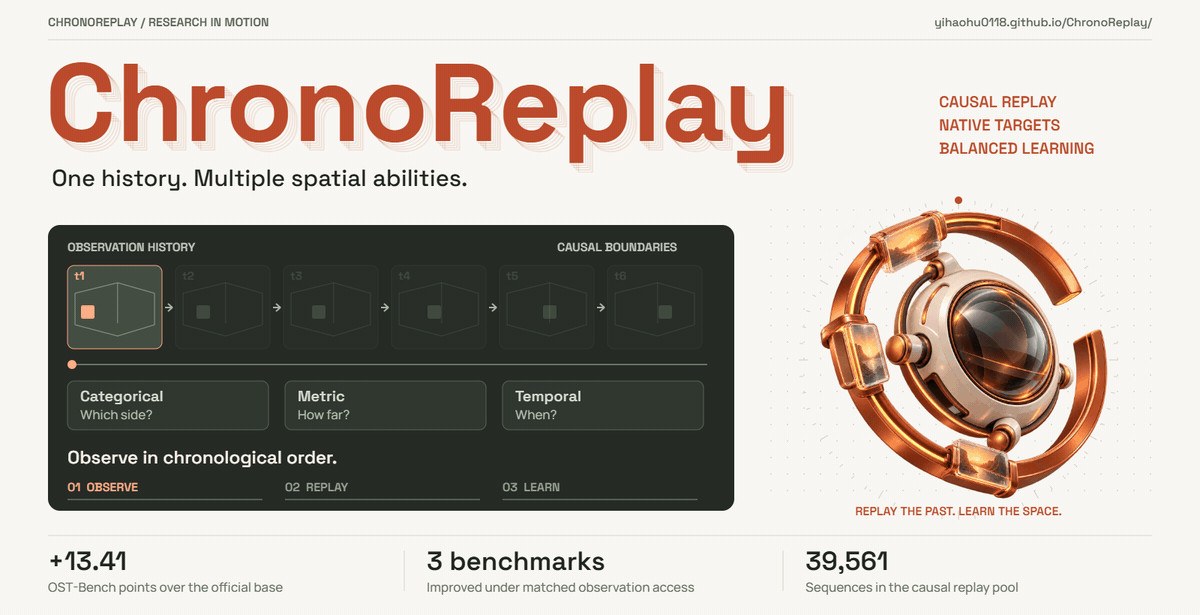
ChronoReplay Shows Fine-Tuning a Spatial VLM on One Answer Format Can Hurt the Rest
ChronoReplay is a post-training recipe for spatial vision-language models. It replays categorical, metric and temporal supervision as chronologically ordered episodes with native-format targets and balanced loss families. On Qwen3-VL-8B it improves OVO-S-Bench, OST-Bench and UCS-Bench together, including +13.41 points on OST-Bench. It matters for anyone building streaming perception for robots or embodied agents, because the gains come from supervision design rather than a new memory module.

October 29, 2026 · Deep dive
Mistral Large 4 Makes Self-Hosted Coding Agents Practical, on Eight GPUs or a 512 GB Mac
Mistral has released open weights for Mistral Large 4, a 1T-parameter multimodal Mixture-of-Experts model with about 49B active parameters per token. On Artificial Analysis it ties the leading open model on agentic coding while using fewer tokens. This story covers the architecture, the coding and security benchmarks, and what self-hosting it actually takes in hardware and throughput.
October 28, 2026 · Deep dive
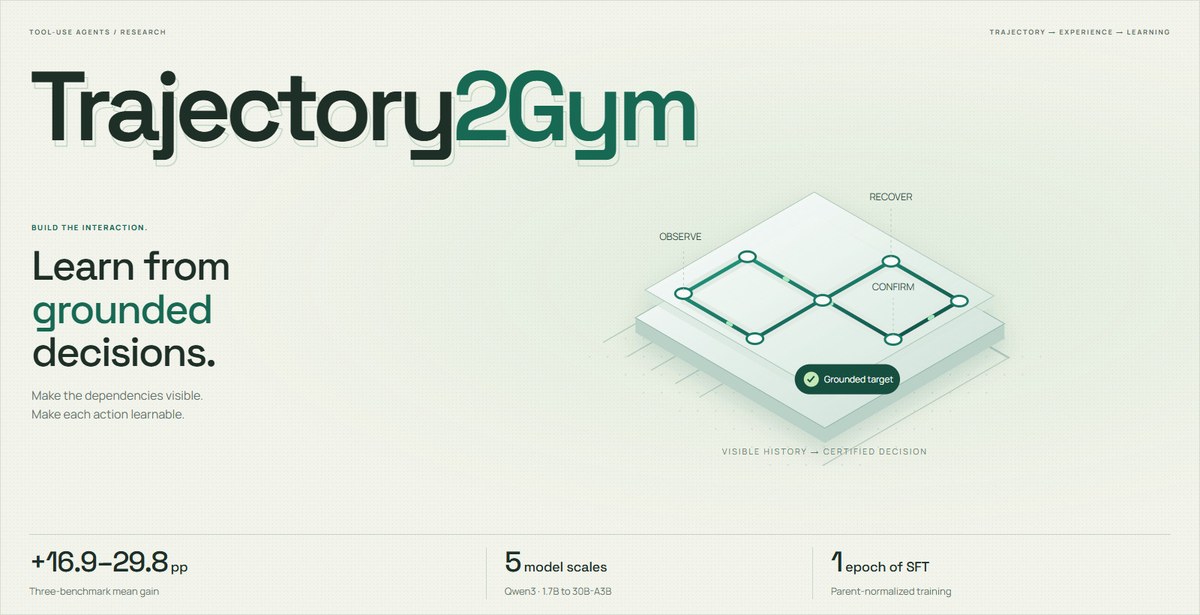
Trajectory2Gym Lets a 4B Qwen3 Agent Beat the 30B Base on Tau2 by Fixing the Data
Trajectory2Gym is a data-construction method for tool-use agents. It synthesizes interactions around multi-step dependencies the training pool lacks and supervises only actions that are grounded in the agent's visible history. With plain supervised fine-tuning on five Qwen3 sizes, it raises the equal-weight three-benchmark mean (Tau1, Tau2, BFCL) by 16.9 to 29.8 points, with the largest gains on stateful, multi-turn tasks.

October 27, 2026 · Deep dive
OpenAI's GPT-6.1 Terra Makes Computer-Use Agents Cheap. Reliability Is Now the Real Test
OpenAI's GPT-6.1 Terra is priced at $1/$5 per million input/output tokens, down from $2/$12 for GPT-5.6 Terra. Independent tests from Artificial Analysis show higher scores and a much lower hallucination rate. The story covers what changed, which effort settings are actually cost-efficient, and why reliability now matters more than price when deciding whether to deploy computer-use agents.
October 26, 2026 · Deep dive
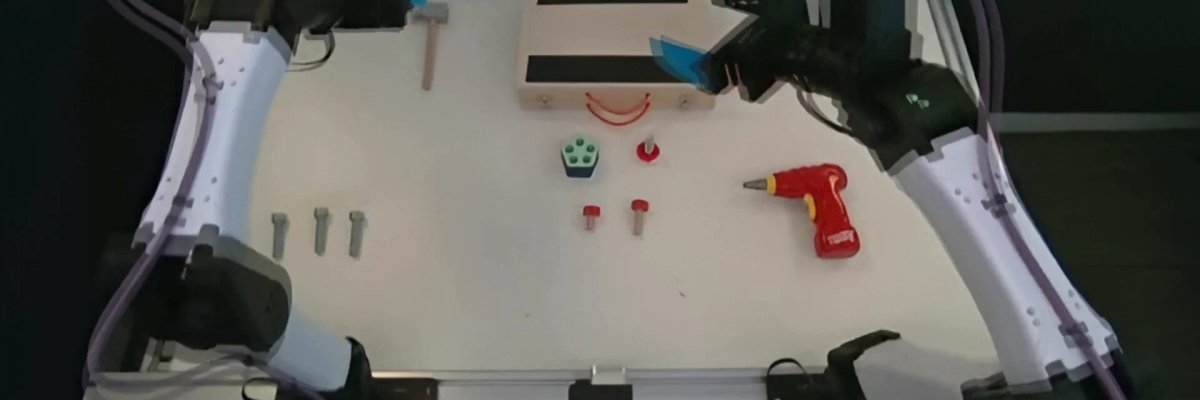
NVIDIA Just Opened the Data Engine Behind GR00T, and Says It Costs 125x Less
NVIDIA's GEAR lab has open-sourced Flora, a set of models that watch human and robot video and label what happened and how well it went. The team says Flora matches Astra-level performance at 125x lower cost, labels 200K hours of video a day on 500 GPUs, and is used to train GR00T. The release points to data engines, not only policy architectures, as a lever for embodied AI.
October 25, 2026 · Weekly roundup
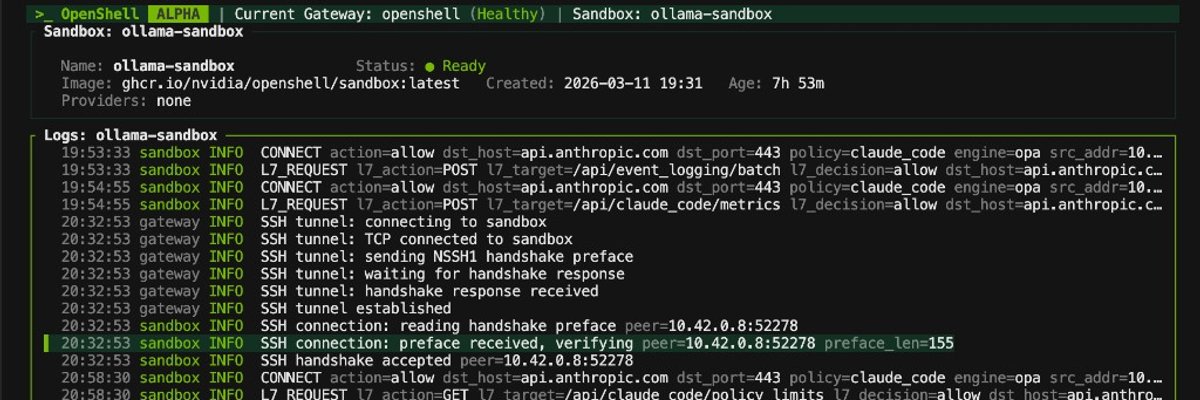
Kimi K3.1 Pro and DeepSeek Close In on the Frontier, So the Fight Moves to Agent Trust
With open models nearly at the top, the week's most discussed agent work was about sandboxes, offline training and verifiers. Open-weight models are closing in on the frontier rankings, so the week's attention moved to the layers that make agents trustworthy: isolated training environments, policy-enforced runtimes, formal verification and world-model checks on every action.